
Because, it always rains
In this edition: The wild swings of the Indian monsoon, a green-yet-dystopic mobility project in Dubai, and the perverse rice-subsidy granted to ethanol makers.

Two weeks back, I was in Madhya Pradesh to report on a story on child under-nutrition. I also met farmers in the villages of the three districts that I visited.
Farmers explained what waiting for the rains meant on the ground. Most were well-to-do cultivators, growing premium Basmati rice. They had pumps to draw groundwater. But these cannot help quench the soil’s thirst in the absence of rain—rice needs a lot of water; also, farmers cannot switch back to the pulses and oilseeds they once grew. You can read the field report here.
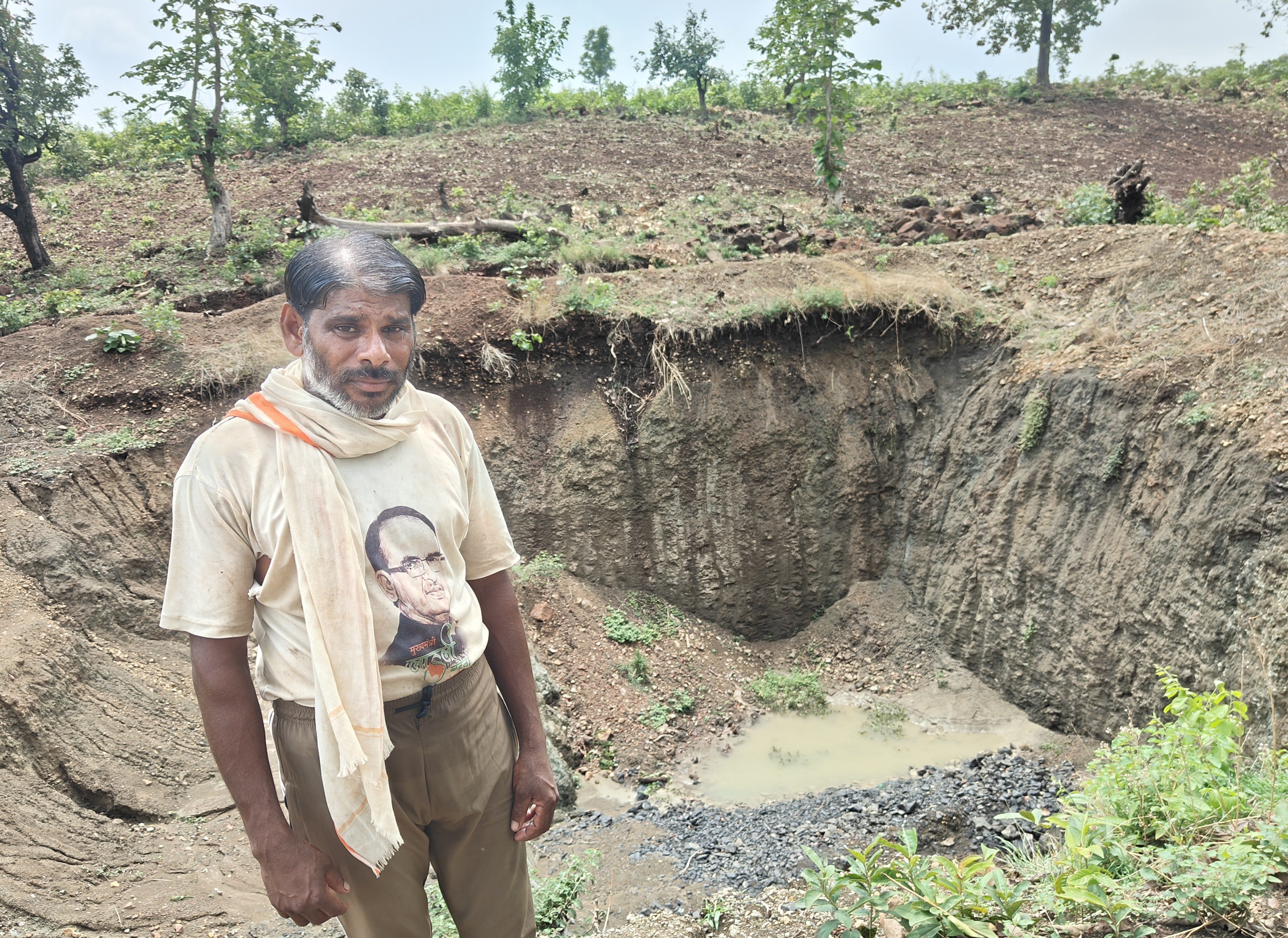
Two observations stayed with me. One said that it must rain such that “your shoes must get stuck in the soil. You will have to yank them out with some mehnat…only then can I begin planting.” So far, the rains have been saying ‘hi, hello’ to us from the skies, and then disappearing, joked another. The tribal farmer you see in the photo above, Jaimal Barela from Sehore district, spent a minor fortune, ₹70,000, to dig a farm well last year. But the maize crop could wither due to lack of rains; the well is running dry. In case of a full blown drought, Barela’s 19-year-old son and his newly married wife would be pushed to migrate to a factory town in Gujarat.
The monsoon has been wayward this year. June recorded a very wide 40% deficit compared to normal, and then, within the first seven days of July, the deficit shrank to 17%. This was partly due to intense rains in some areas, which means the showers are not evenly distributed. In Maharashtra, where residents of a Mumbai locality were forced to sleep on the beach due to intense heat last month, extreme rains have led to at least 16 deaths. Mumbai, in fact, received an entire month’s rain in just seven days. Similarly, Gujarat was the driest state in June recording a rainfall deficit of more than 80%, but now parts of the state are battling floods, leading to six casualties. States like Arunachal Pradesh and Assam are experiencing floods in certain areas, despite recording rainfall deficits.
The next few months could turn out to be dramatic. The El Nino in the Pacific is gaining strength and will peak towards the end of 2026. If India’s four-month-long monsoon ends up with a wide deficit, it will spell trouble for the winter or Rabi crop season and a possible drinking water crisis next year, like in 2015-16.
If this dark prognosis makes you edgy, read this lovely piece on the monsoon, written by a conservationist who works and lives in a sanctuary in Wayanad, Kerala. I can’t resist sharing a small excerpt from the piece that was first published back in 2017. So, here you go:
“Lately, I have been falling asleep to the songs of different bush-frogs and crickets. Tonight, they outdo every other sound—thunder, passing vehicles and barking dogs. Last week, birds such as nightjars, frogmouths and owls were clearly audible, and now they’re drowned out by the insect–amphibian choir. My ears hurt. This raucous medley is a sure sign that the monsoon is here or about to arrive very soon.”
STATE OF THE CLIMATE
India’s energy system is bracing for a tough year as a very strong El Niño threatens to destabilise the grid. While the weather pattern strains global systems, India faces a unique double challenge, according to an update from CREA. Falling wind speeds and rainfall are slashing hydropower and turbine output just as soaring temperatures drive a massive surge in air-conditioning demand. This cooling demand alone could reach 10 TWh (terawatt-hour), equivalent to a quarter of Delhi’s annual electricity use.
Projections suggest a generation gap of nearly 18 TWh, likely to be filled by rising coal burn. This shift could release 17 million tonnes of CO2 and could be linked to an estimated 2,700 additional heat-related deaths in 2026-27. However, the solution lies in rapidly expanding solar projects, which now meets 24% of daytime demand. In 2025, renewable output grew by 22% while coal generation actually fell. To maintain this momentum and hit the 500 GW non-fossil target by 2030, experts emphasise that India must prioritise battery storage over new coal projects.
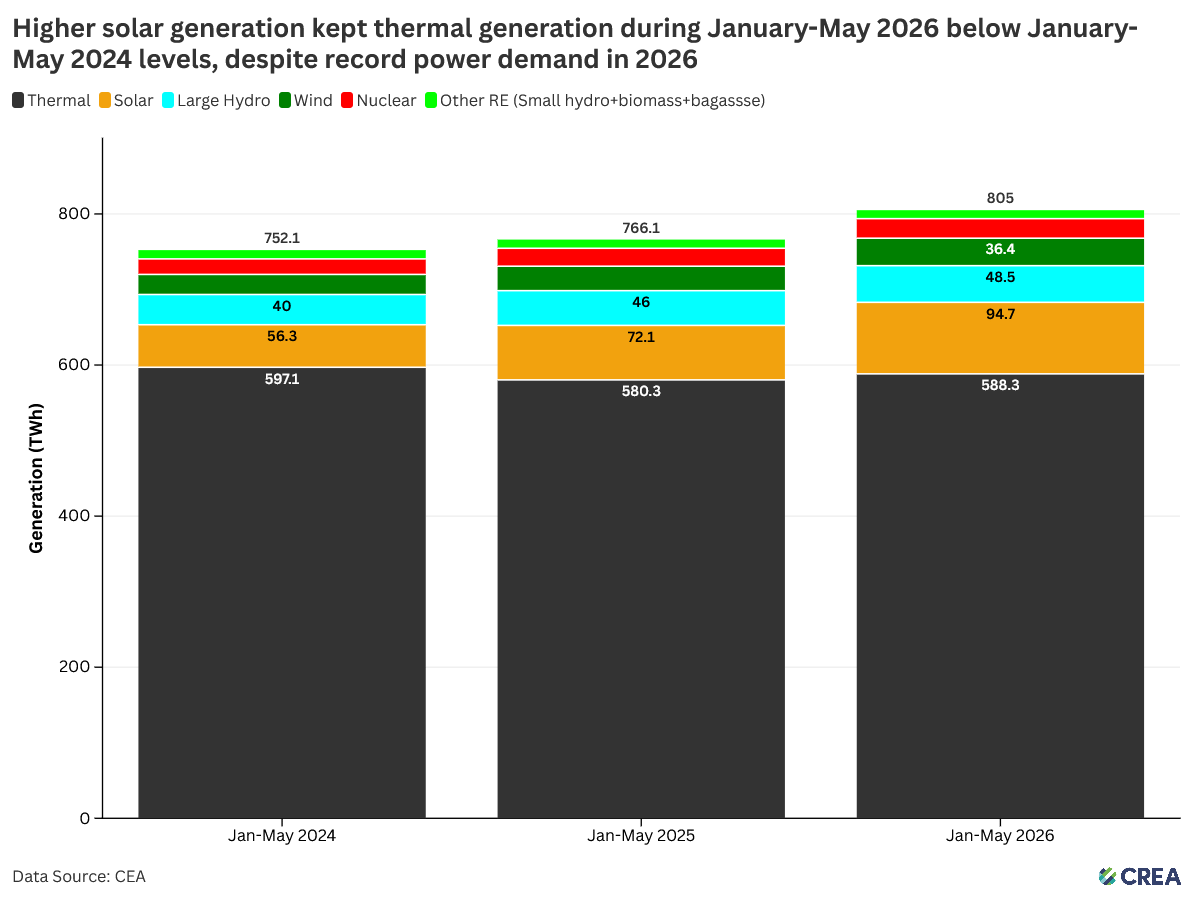
Energy demand peaks, such as the 270 GW record set in May, are often cited to argue for new coal capacity. But India’s coal-fired power plants are facing serious challenges in keeping up with the energy demand curve and operating with the flexibility the grid requires through the day. As a result, grid operators curtailed around 2.1 TWh of solar and wind last year just to keep coal plants running. But just 10 GWh of battery storage—charging during the midday solar peak and discharging in the evening—would have sufficed. That same storage would allow solar to meet most of the evening and post-monsoon demand that El Niño will intensify. Yet India is lining up 130 GW of new coal capacity. Even though these plants are costly and run the risk of turning obsolete before they’re ever switched on.
THE NEWS IN BRIEF
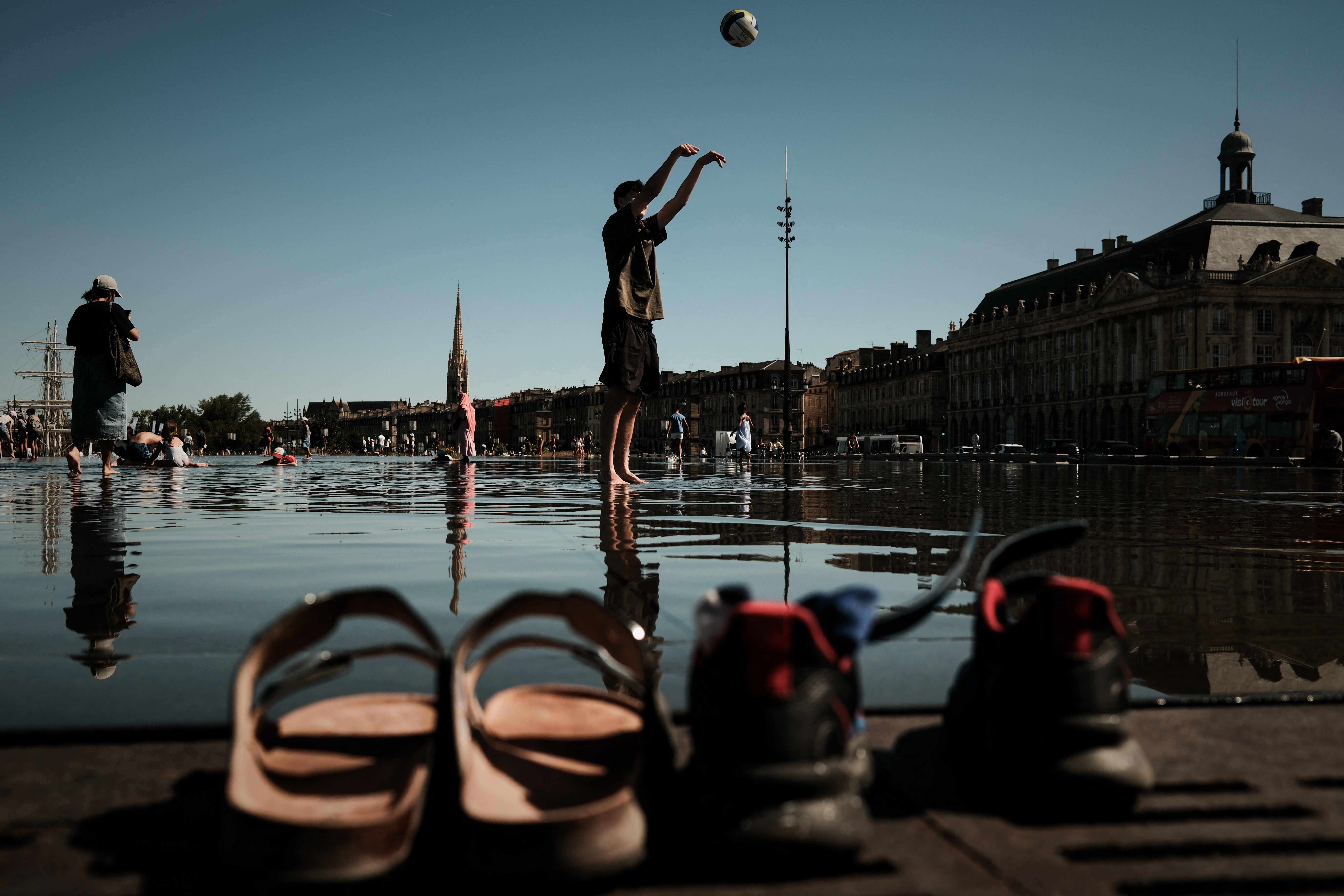
A record heatwave in France led to 30% excess deaths. The ongoing heatwave in the US is impossible without climate change, scientists say.
Why are policymakers giving hybrid vehicles the cold shoulder?
North-East floods raise power, logistics and inflation risks.
Anxiety over India’s science ecosystem, already high as countries weaponise technology, is amplified by China’s performance.
Why has the Delhi government made its winter anti-pollution rules permanent?
Will water shortages derail India’s AI Data Centre boom?
KNOW YOUR JARGON

THE LOOP
Dubai’s innovative urban mobility project, THE LOOP, is a 93-km sustainable urban highway aiming to be the world’s “smartest cycling and running infrastructure”. The project expects to make cycling and walking the primary mode of transport for more than 80% of Dubai’s residents by 2040, taking them away from cars, which cause both congestion and pollution. Designed as a zero-emissions transport system, THE LOOP will be powered by 100% renewable energy and feature kinetic paving that harvests electricity from every footstep.
Beyond transport, the project plans to showcase vertical farms using recycled water for irrigation, creating a resilient green corridor. The environment will ensure year-round usability, addressing challenges of rapid urbanisation, carbon emissions and air pollution. Work on the first phase of the project, implemented by Elon Musk’s The Boring Company, is currently underway.
But somewhere, all this sounds a bit dystopian: the rich building a climate-controlled tunnel for jogging and yoga while the not-so-lucky labour in heat and dust.
PRIME NUMBER
23
Is ethanol really as green as it is made out to be? Amid a raging debate on the impact of ethanol-blended petrol on older vehicles, its farm-side consequences are often overlooked. Take, for instance, the fact that ethanol makers can purchase rice from government stocks at just ₹23/kg, when the same rice costs the public grain manager, the Food Corporation of India, around ₹44/kg. Rice needs large volumes of water to grow, as well as heavily subsidised fertilisers such as urea and DAP. Nearly 10,000 litres of water are required to produce 1 litre of ethanol from rice. Rice cultivation is also a major source of methane emissions.
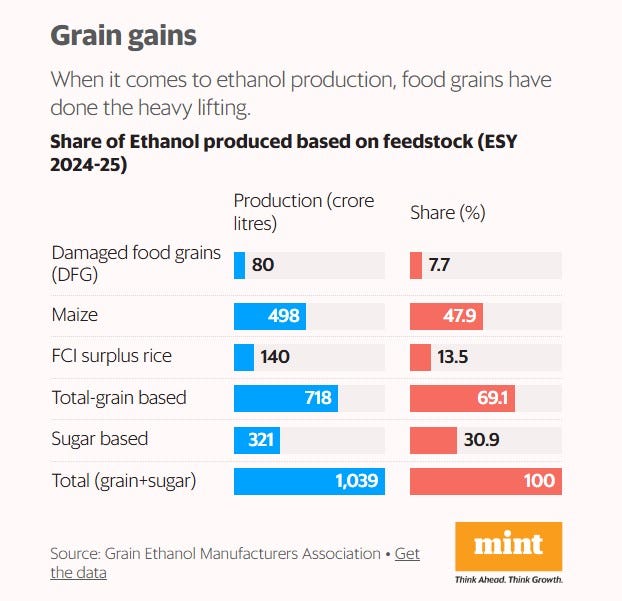
In the ethanol supply year 2024-25 (November to October), nearly 14% of the ethanol for blending was produced by using surplus rice as feedstock. The question to ask is: why are ethanol manufacturers subsidised by over ₹20/kg of rice they use? Also, where is the cost-benefit analysis comparing the ecological and climate costs of growing rice and emission-reduction benefits from the use of ethanol-blended fuels?
MOVIE OF THE MONTH

Iraqi director Hasan Hadi’s debut film, The President’s Cake, tells the story of Lamia, a 9-year-old student who is tasked by her class teacher with baking a cake. The cake, meant to celebrate the birthday of former Iraqi president and autocrat Saddam Hussein, puts Lamia in a difficult spot.
Set in the 1990s, when Iraq was under economic sanctions, everyday items like sugar and baking powder were both expensive and hard to find. Even more so for Lamia, who is raised by her poor grandmother in a ramshackle hut. Together with her classmate, Lamia sets out on a roller coaster ride to gather the ingredients for the cake. And with her, we get an intimate portrait of a country and the hardships its people face, reeling under a dictatorship and economic sanctions.
That’s all, for now. Bibek will be back with the next issue in a fortnight.
Monsoon derived from the word "Mausam" had always been tricky due to the winds and el nino and la nina phenomenons, but would you believe me if i tell you that these days all these extreme events of climate change and excessive rains or drought conditions can be controlled by human satellites etc.
You just need to trust me on this one.