
An ancient rice returns
In this edition, Sayantan writes about a fragrant rice cultivar, the early onset of heatwaves and the climate costs of war

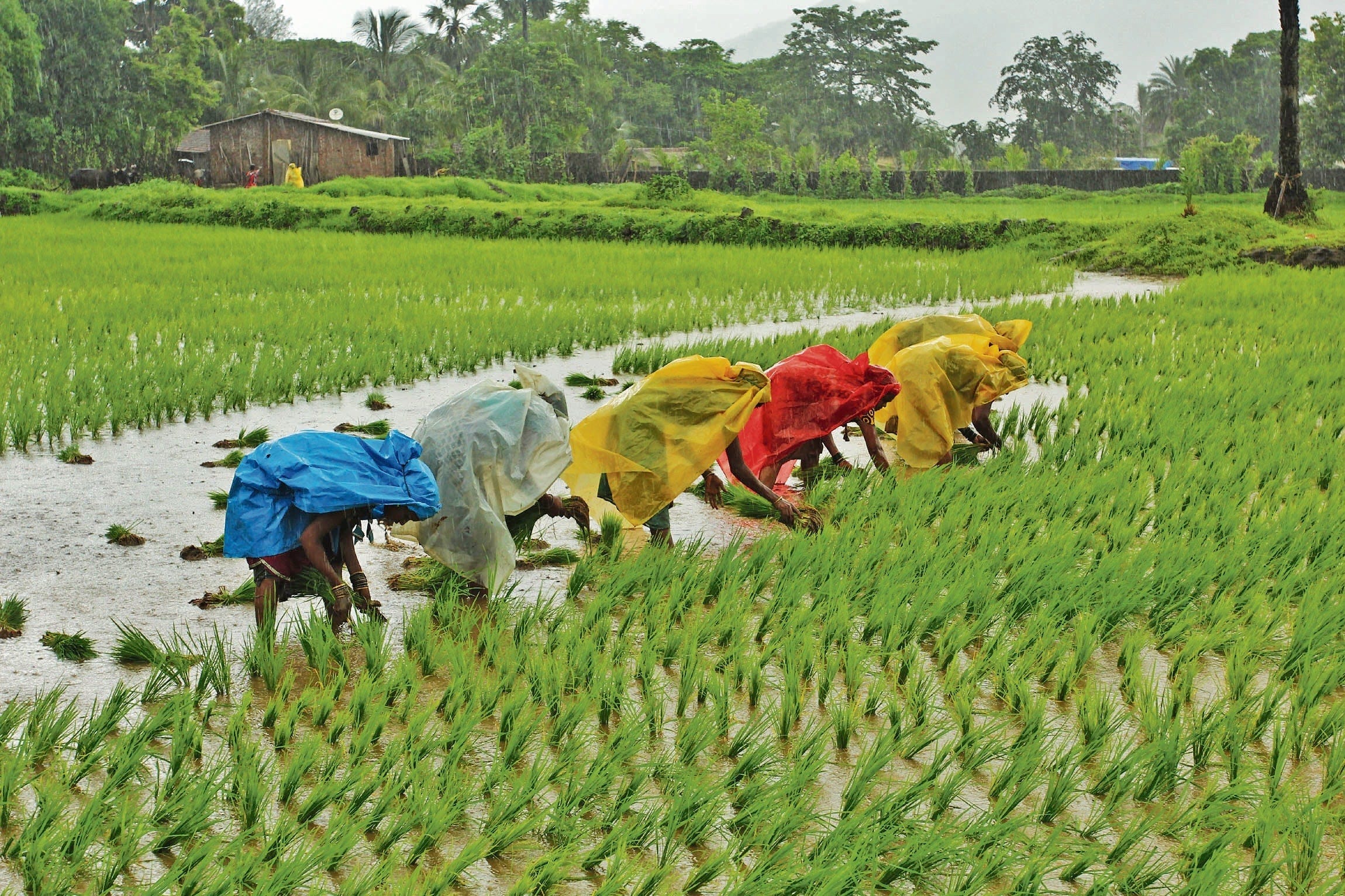
Recently, while working on a story on farmer-owned companies, I came across an ancient variety of rice. The heirloom rice variety, known as Kala Namak comes from eastern Uttar Pradesh. It’s also known as Buddha rice: the legend goes that Lord Buddha distributed seeds of this rice to his devotees as a blessing, after attaining Nirvana. It’s an aromatic, short-grain variety with a low glycaemic index, making it suitable for diabetics. Another positive of this rice is that it contains 3-times the protein content of regular varieties (about 17%). India has lost many traditional rice cultivars following the green revolution launched in the mid-1960s, which focused on increasing cereal production by adopting high-yielding varieties which respond well to chemical inputs. Thankfully, Kala Namak was revived by a retired agriculture scientist, and farmer groups are now actively growing it, lured by higher prices.
India is the world’s largest producer and exporter of rice. But rice is also a water-guzzling crop. So, in a way, India is virtually exporting its depleting groundwater reserves. Rice is also a leading contributor to methane emissions— a greenhouse gas more potent when compared to CO2. Farmers growing high-yielding rice varieties also tend to overuse heavily subsidized (and dirt cheap) fertilizers like urea, which deteriorates soil health and contributes to higher emissions.
So, it makes sense to promote and revive heirloom varieties like Kala Namak, which use fewer chemical inputs and are more nutritious. Consumers also have an outsized role here: a variety can only be grown if there is demand and buyers are ready to pay a premium. A kg of Kala Namak rice costs over ₹300 in cities. But if you consider its health and environmental benefits, plus its divine, earthy aroma, the price will pinch less.


India is experiencing a significant shift in seasonal patterns as global warming continues to override the cooling effects of La Niña. Traditionally, La Niña suppresses global temperatures, yet 2025 ranked as the eighth warmest year since 1901 despite these conditions. This trend has led to an unusually early onset of summer in India, with the spring season remaining largely absent for another year.
Severe heatwaves have already gripped parts of the country. In March, Mumbai recorded a staggering 40°C—7.6 degrees above normal—while temperatures in Delhi-NCR have hovered 5 to 7 degrees above seasonal averages.
Experts attribute this trend to persistent anticyclonic circulations and relentless greenhouse gas emissions that outpace natural cooling cycles, as per an update from the non-profit Climate Trends. Coastal regions are also facing dangerous humidity levels, increasing temperatures and the risk of heat-related illnesses.
The long-term outlook remains concerning. With the Indian Ocean warming rapidly, traditional winter rains are failing, and the India Meteorological Department forecasts above-normal heatwave days through May. This shift represents an intensifying force which will affect health, agriculture, and economic productivity across India.


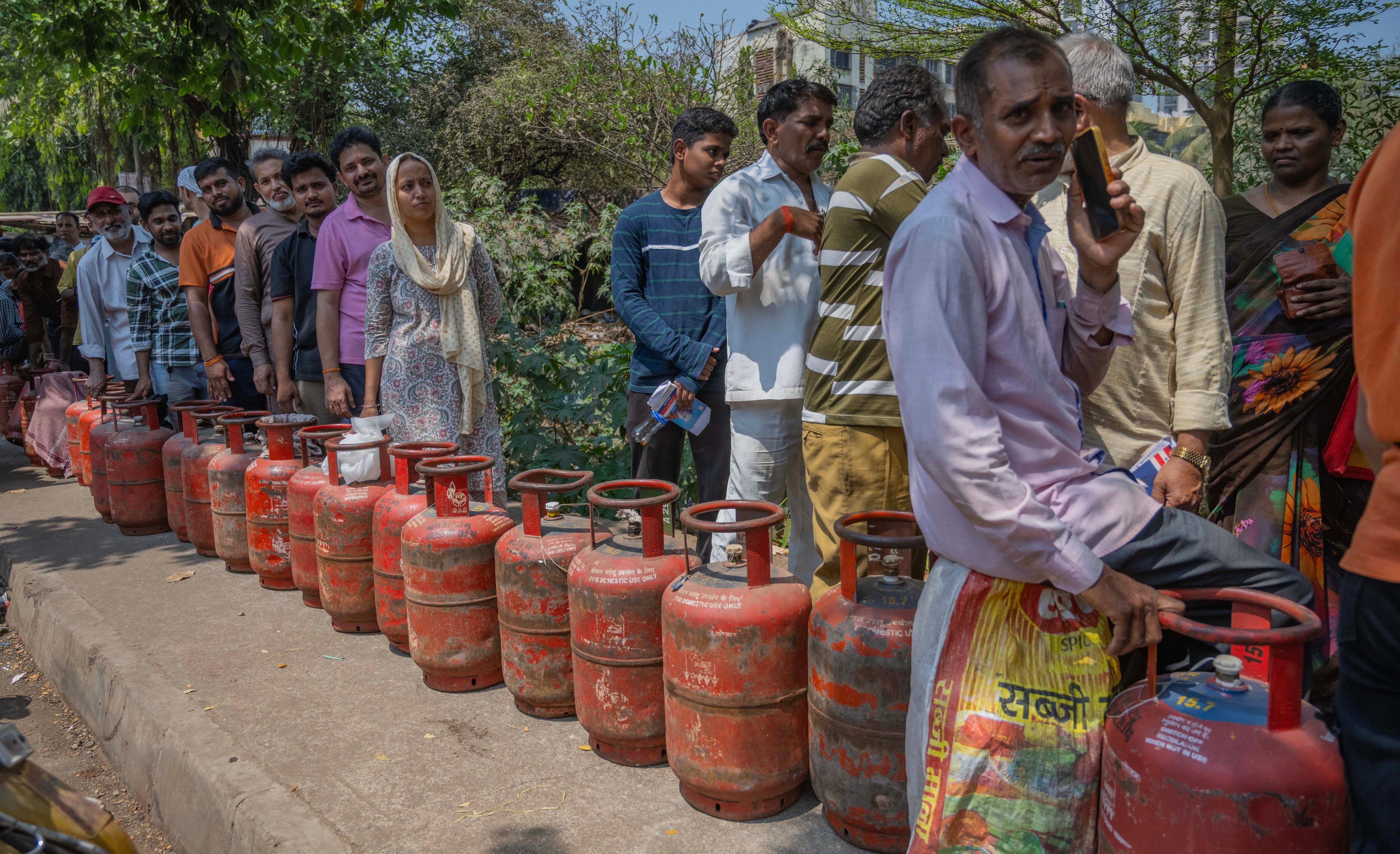
The long shadow of Hormuz: Why the energy shock will haunt India long after the guns fall silent.
Carmakers remain bullish on EV prospects in India amid global write-offs.
India calls for increased use of kerosene, coal, biomass amid gas supply squeeze.
India’s gas crisis: How Iran war poses an outsized threat.
Fungus-farming ants have evolved a remarkable solution to the danger of excess carbon dioxide inside their nests.

Black rain
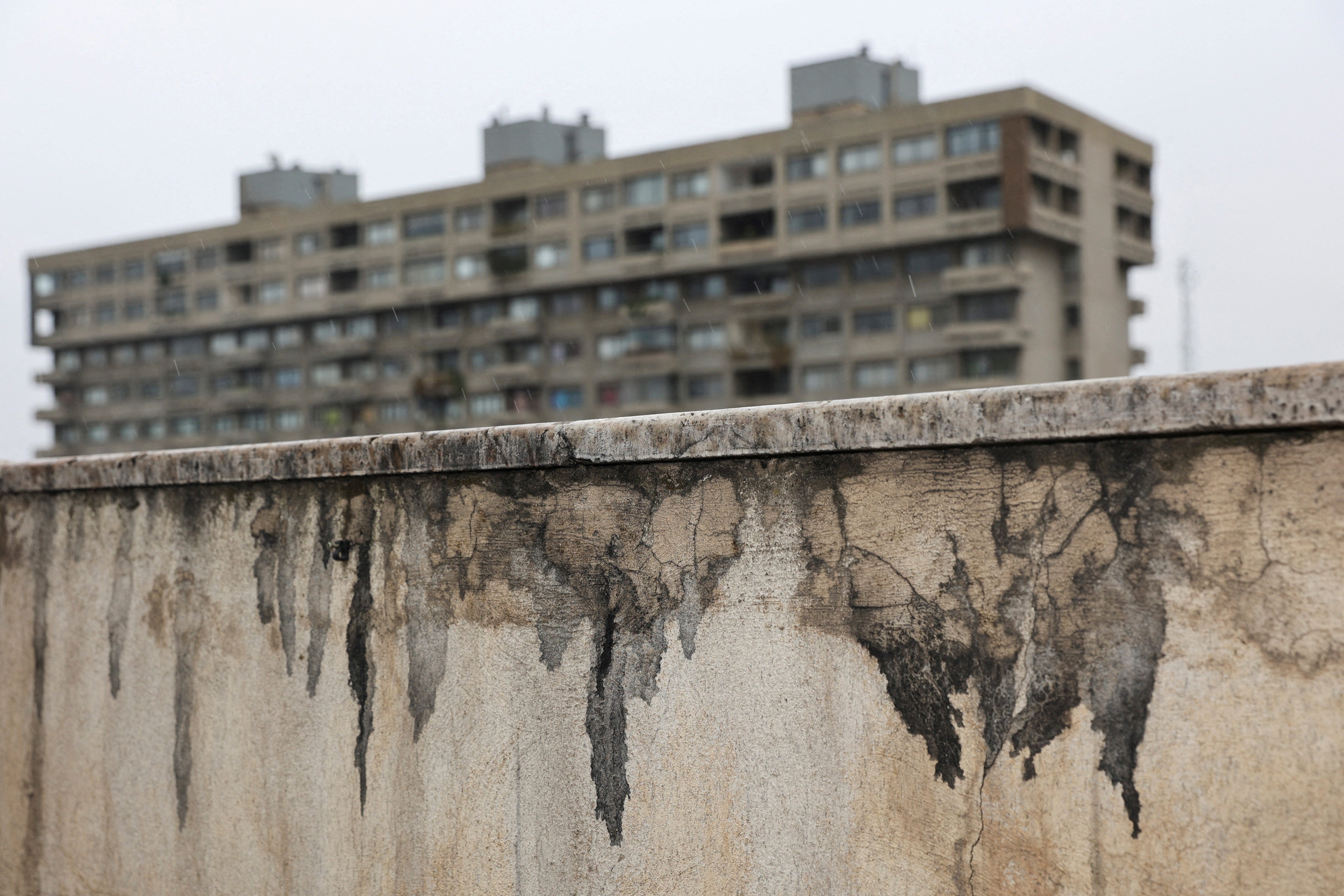
Black rain is a toxic environmental phenomenon that occurs when massive quantities of soot and chemicals from industrial fires—specifically those targeting oil refineries—mix with the atmosphere. In the current Iran-Israel conflict, strikes in early March ignited major petroleum facilities near Tehran. The resulting thick plumes of sulphur, hydrocarbons, and heavy metals were captured by a passing weather system, falling as a dark, oily, highly acidic liquid.
The World Health Organization has warned that this rain can cause chemical skin burns and severe lung irritation. It carries carcinogenic compounds and fine particles (PM2.5) that can enter the bloodstream upon inhalation. Pollution from uncontrolled fires poses an additional risk to regional food security. The toxic fallout contaminates groundwater and poisons the soil, potentially ruining crop cycles and agricultural productivity.


5.5
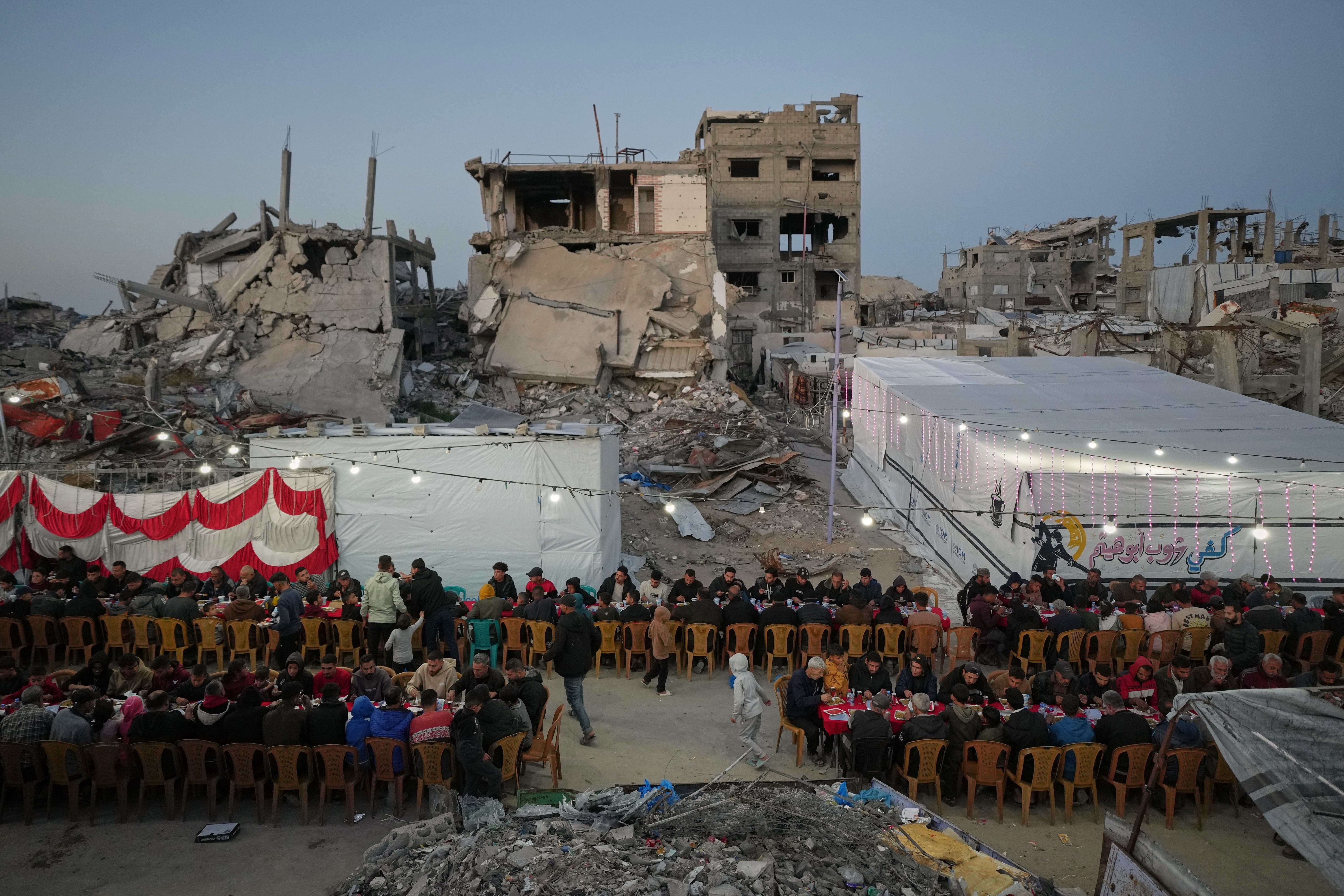
A new report reveals the staggering climate cost of the Israel-Gaza conflict. Researchers estimate that the first 120 days of direct war generated between 420,265 and 652,552 tCO2e (tonnes of carbon dioxide equivalent). This includes emissions from thousands of bombing raids, reconnaissance flights, cargo shipments, and fuel-intensive tank operations. The footprint expands significantly when accounting for pre-war fortifications, such as Hamas’s tunnel network and Israel’s Iron Wall.
Besides, rebuilding Gaza’s destroyed buildings and infrastructure is projected to emit between 46.8 and 60 million tCO2e. This total exceeds the annual emissions of 135 individual nations, rivalling emissions of countries like Portugal and Sweden. Given that global militaries account for roughly 5.5% of total emissions, the authors argue that these costs remain largely invisible in international climate accounting. They recommend mandatory military emissions reporting and a finer understanding of the climate dimensions of an armed conflict.
MOVIE OF THE MONTH

Streaming on Netflix, The Dinosaurs is a visceral docuseries which serves as a sobering prehistoric mirror to our current climate reality. While Morgan Freeman’s narration provides a familiar warmth, the series’ true impact lies in its unflinching depiction of ‘The Fall’. By dramatizing the End-Triassic volcanic eruptions and the K-Pg extinction event, the show illustrates how rapidly life can collapse when environmental thresholds are breached. For climate readers, it is an essential visual study of extinction—a haunting, high-fidelity warning from the Mesozoic.
That's all, for now. Bibek will be back with the next issue in a fortnight.